

Let me tell you something I wish someone had said me earlier, the design is only half the decision. Where you put it matters just as much and people lose sleep over the wrong spot way more often than the wrong design.
I’ve seen great tattoos in terrible places. A gorgeous piece that disappears when you bend your arm. A tiny script that turned into a blurry smudge on a finger. A back piece nobody sees, which is a flex if you like secrets, but not so fun if you wanted to show it off.
So here’s how I’d think it through, step by step, so you walk out of the shop happy and regret free.
How to Choose the Perfect Tattoo Placement
Start With the “Why”
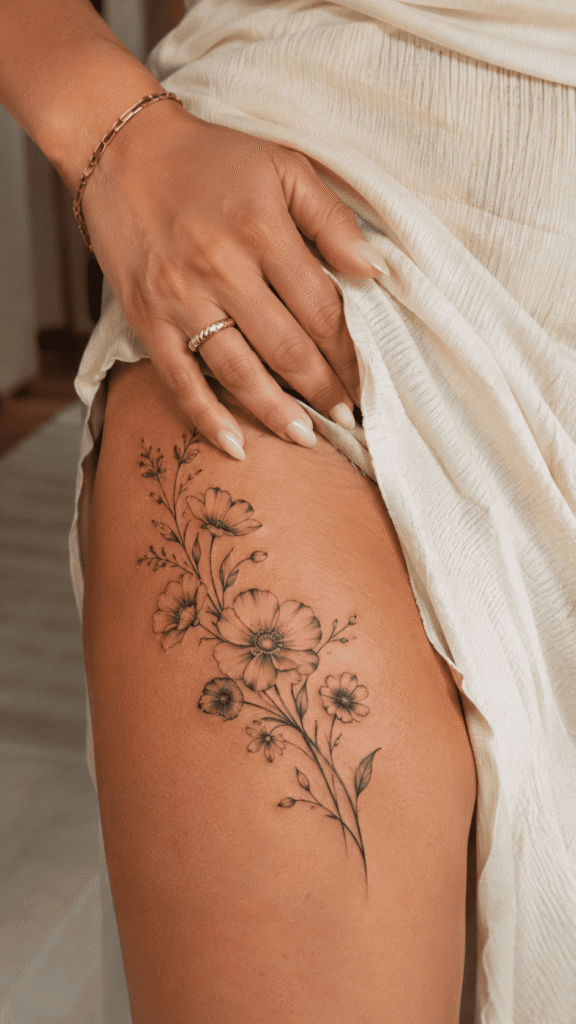
Before you pick a body part, ask yourself one question – who is this tattoo for?
If it’s just for you, a private spot like your ribs, hip or upper thigh keeps it personal.
If you want it seen, think forearm, calf or shoulder. If you’re somewhere in the middle, like me with most of my decisions, pick a place that’s easy to cover with a sleeve or a pair of jeans but easy to show when you feel like it.
There’s no wrong answer here. But being honest about this up front saves you from picking a spot that doesn’t match how you actually live.
Think About Your Job and Your Life

I know nobody wants to hear about work when they’re picking a tattoo. But a quick reality check helps.
Some workplaces still have rules about visible tattoos, especially on the hands, neck and face. Plenty of offices have relaxed, but healthcare, law, finance, education, and customer-facing jobs can still be picky.
If you’re job hunting or want to climb a corporate ladder, a spot that stays covered under normal work clothes gives you flexibility.
Also, think about family events, weddings or anything where you might want to cover up. A forearm tattoo is easy to hide with long sleeves. A hand tattoo is not.
Know How Much You Can Handle Pain-Wise
Let’s talk about the part everyone whispers about. Tattoos hurt. How much depends on you, the spot and the artist, but there are some patterns.
Usually easier to sit through:
- Outer upper arm
- Outer forearm
- Outer thigh
- Calf
- Shoulder and upper back (the fleshier areas)
Usually more intense:
- Ribs and sides
- Spine
- Sternum and collarbone
- Inner elbow and elbow ditch
- Knees and shins
- Ankles and tops of feet
- Hands, fingers, and wrists
- Armpit and inner bicep
The rule of thumb is that areas with thin skin, close to bone, or packed with nerve endings tend to hurt more. Fleshy areas with more padding tend to hurt less.
If this is your first tattoo, I’d say start somewhere gentle, like the outer arm or thigh. You can work your way up to the spicy spots later. Think of it as a warm-up lap.
Also, long sessions feel different from short ones. A tiny tattoo on your ribs might be fine for 30 minutes. A big piece on the same spot over four hours is a different story. Be honest about your limits and tell your artist if you need a break.
Match the Placement to the Design
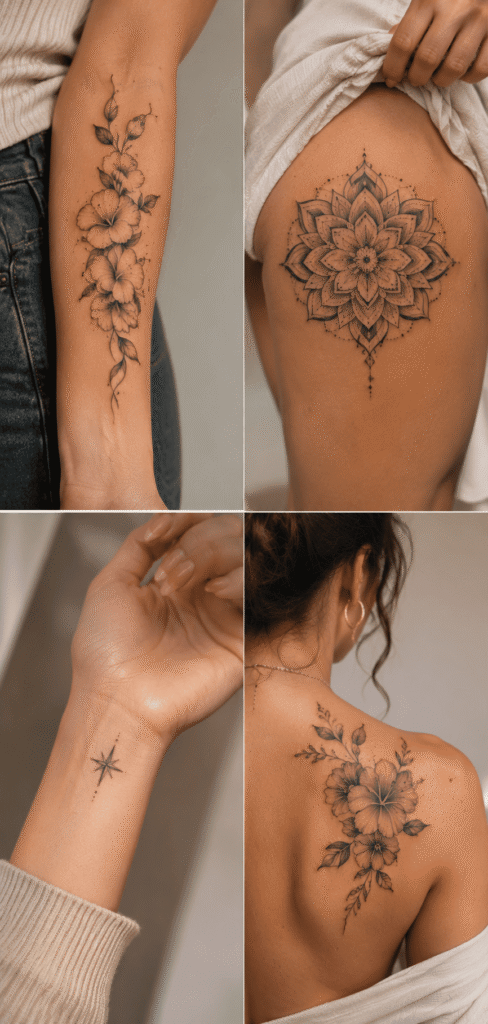
This is where a lot of people slip up. They pick a design and a spot separately and then the two don’t get along.
Long, narrow designs like vines, snakes, daggers or script work best on places that stretch in a line, like the forearm, calf, spine or the side of the ribs.
Round or square designs like a compass, a portrait or a mandala fit better on flat, wide areas like the thigh, upper arm, shoulder blade or the middle of your back.
Small, delicate designs like a tiny star or a date tend to work on places with less movement, like the inner forearm, behind the ear or the ankle.
Big, detailed pieces like a realistic animal or a full floral need space to breathe. Squeezing them into a small area makes the details turn to mush as the tattoo ages.
A good artist will tell you when your design and placement aren’t a match. Listen to them. They’ve seen how these things age.
Know Which Spots Fade Faster
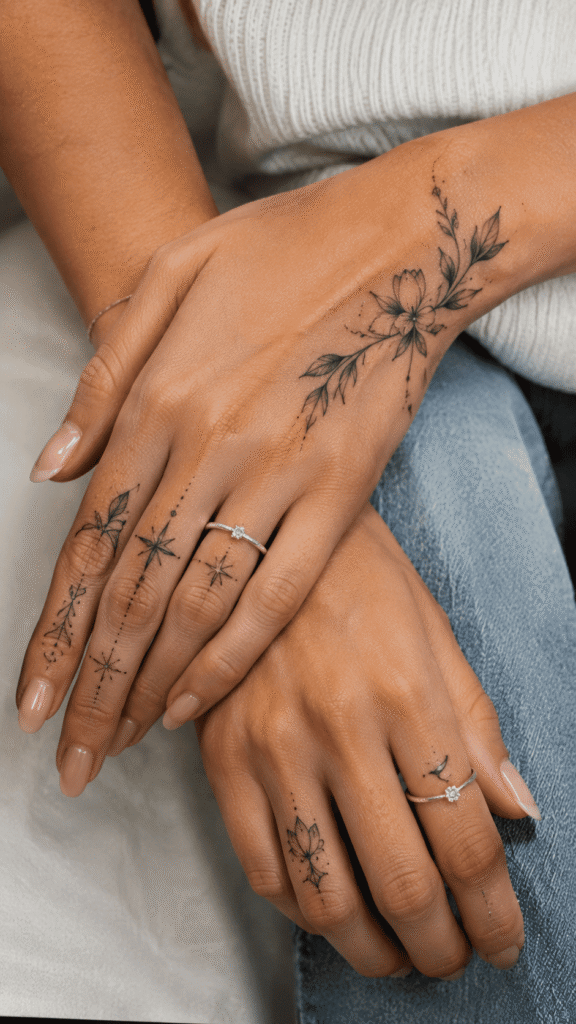
Some areas are just tougher on ink.
Hands, fingers, and feet lose ink faster than most places. They get a lot of friction, sun and washing, and the skin renews quickly. Finger tattoos in particular often need touch ups, and the lines can blur over time. If you love a finger tattoo, go for it, but know that maintenance comes with the territory.
The sides of the fingers and palms are the worst offenders. Many artists will warn you or even refuse to tattoo them without a heads up.
Areas that get a lot of sun like your forearms, calves and hands will fade faster if you don’t use sunscreen. Sun is the number one thing that dulls ink, so if you live outside or you’re not great at sunscreen, a covered spot like your upper back or thigh keeps the color fresher.
Areas that rub against clothes like the waistband, bra line or shoulder strap can irritate a healing tattoo and fade it over time.
Consider the Healing Process
Healing is the part nobody thinks about when they’re daydreaming about their new ink.
A fresh tattoo is an open wound and it needs clean, dry, breathable conditions. Think about where your clothes, shoes and sleeping positions will put pressure on it.
- Ankle or foot: Shoes and socks rub the area, and swelling can slow healing. If you work on your feet all day, plan time off or expect a longer healing time.
- Ribs or waist: Tight pants and bras can irritate it.
- Back: You can’t reach it easily, so you’ll need help with aftercare. Sleeping on your back is also off the table for a while.
- Inner arm or armpit: Moisture and friction make healing trickier.
- Thigh or calf: Usually easier, but tight jeans or leggings can be annoying.
Also, think about the season. A tattoo on your arm is easier to protect from the sun in winter, when you can wear long sleeves. Summer tattoos mean more careful sun avoidance and no pools or beaches for a few weeks while it heals.
Think About How It’ll Look in Photos and in the Mirror

This sounds shallow, but it matters. You want to see your tattoo and enjoy it, right?
Some spots are hard to see on yourself. Your upper back, shoulder blades, and back of the thighs are easy for everyone else to see and hard for you. If you want to admire your art every day, choose somewhere you can see easily, like your forearm, thigh, or calf.
On the flip side, a back piece is great if you want it to be a surprise for the people around you, or if you like the idea of your tattoo being something you carry rather than something you look at.
Use the Stencil Trick
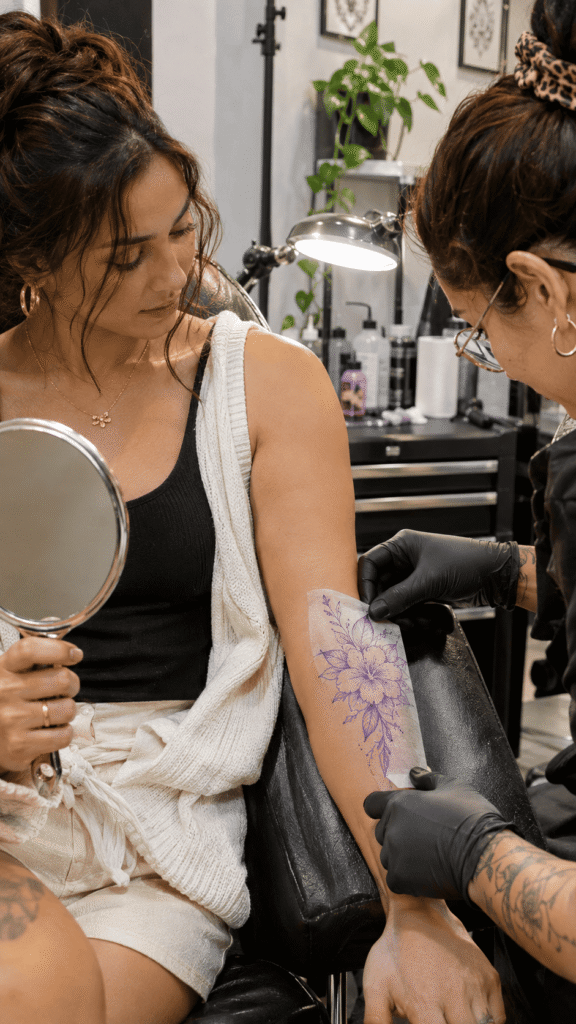
This is the most useful tip I can give you. Before any ink goes in, your artist should place a stencil on your skin. This is your preview.
- Stand naturally. Look at the stencil in the mirror while you’re standing, sitting, and moving around. How does it look when you bend your arm or twist your waist?
- Take photos. Look at them later. What seems perfect in a mirror can look off in a photo.
- Ask to move it. A half inch up, a tilt to the left, a little smaller. Your artist expects this, and a good one will happily adjust it.
- Take your time. If something feels off, say so. Fixing a stencil takes five minutes. Fixing a tattoo is a lot more complicated.
Never feel rushed. Any artist who gets annoyed when you ask to adjust the stencil is a red flag.
A Quick Cheat Sheet: Where to Put What
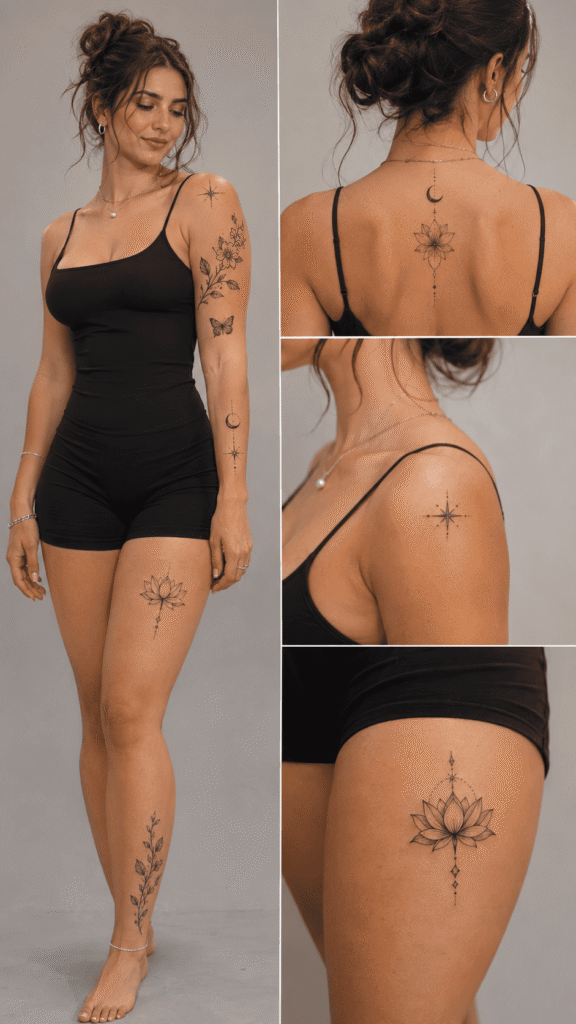
Here’s a simple guide to get you started.
- Forearm: Great for lines, flowers, quotes and medium designs. Easy to see, easy to cover, and moderate pain.
- Upper arm: Good for bigger pieces. Lower pain, and easy to hide with sleeves.
- Shoulder and shoulder blade: Perfect for florals, wings, and designs that follow the curve of your body.
- Upper back: A big canvas for large designs. Lower pain than the spine, and it ages well.
- Spine: Looks beautiful with long, narrow designs, but it’s one of the more painful spots.
- Ribs and side: Elegant and private, but expect more pain and a trickier heal.
- Thigh: Lots of space, lower pain on the outer side, and easy to hide or show.
- Calf: A good option for vertical designs, with moderate pain.
- Ankle and foot: Cute for small pieces, but they fade faster and can hurt.
- Wrist and hand: Visible and trendy, but they fade quickly and can hurt a lot.
Common Mistakes to Avoid

- Picking a spot just because it’s trendy. What’s popular now might not suit you in ten years.
- Going too small on a detailed design. Fine detail needs space.
- Ignoring your pain tolerance. A bad experience can ruin the whole thing.
- Skipping the stencil check. This is a big one.
- Forgetting about aftercare. Healing is part of the process.
- Not thinking about your job or lifestyle. Just a quick reality check goes a long way.
Final Thoughts
There’s no perfect spot that works for everyone. The right place is the one that fits your design, your lifestyle, your pain tolerance and the way you want to show off your art. Take your time, talk to your artist and use that stencil.
And if you’re stuck between two spots, sleep on it. A tattoo is permanent, and the extra week of thinking never hurt anyone. Well, not as much as the needle does.
Got a spot you’re confused about? Tell me in the comments and I’ll tell you which way I’d lean.